Analysis of digital-IP, Fragment @Name custody and namespace defense — written for the institutional IP holders who are about to discover their own name is unclaimed.
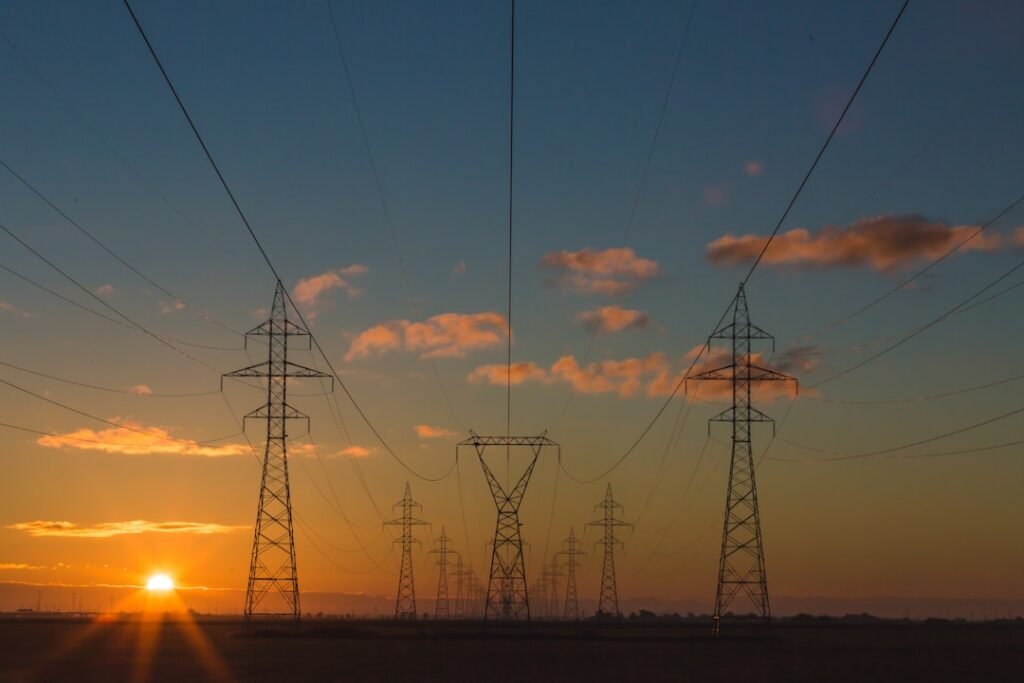
Singapore's electricity tariff hit record 31.91 cents/kWh in July 2026; Thailand enacted its first major tariff reform in 20+ years; and Vietnam pioneered battery storage pricing. Together, these signal a permanent shift in ASEAN's energy economics.
The pharmaceutical industry outspends every other sector on intellectual property by a wide margin — and is the only global industry for which brand impersonation carries genuine patient safety risk. Its Fragment @Name position is zero.
In ASEAN’s tropical climate, over 70% of a building’s cooling load is latent — moisture removal, not temperature reduction. As electricity tariffs and carbon taxes rise sharply across the region, the majority of commercial buildings are optimising for the wrong problem.
ASEAN's digital payment platforms collectively serve 310 million wallet users in markets where Telegram-based fraud has cost hundreds of millions annually — yet none appear to have secured their brand names on Fragment, the blockchain namespace that would raise the structural cost of impersonation.
As ASEAN’s cold chain logistics market surpasses USD 18 billion and regional electricity tariffs climb sharply, refrigerated warehouse operators face a compounding energy trap — compromised building envelopes that silently amplify refrigeration loads every hour of every day.
The $25 million bid for Telegram’s @crypto handle—a 70-fold return on a $350,000 purchase in under two years—signals that Fragment @Names have crossed into serious asset-class territory. The valuation math for IP portfolios has changed permanently.
Hotels in tropical ASEAN carry energy use intensities up to 2.6 times higher than temperate-zone equivalents. Rising tariffs, 24/7 operations, and incoming mandatory efficiency regimes are turning envelope performance into a balance-sheet priority.
The same luxury houses winning nine-figure counterfeiting verdicts and co-founding blockchain authentication consortia have left their brand @names unclaimed on the platform where their counterfeit competitors openly coordinate.
Retail malls in ASEAN consume 248–295 kWh per square metre annually, dedicating up to 60% to cooling — making them among the region’s most energy-exposed commercial assets as electricity tariffs climb.
From Google to Netflix, every major Silicon Valley company's Telegram @name is held by anonymous third-party wallets. @openai belongs to catman.t.me. @netflix to gangster.t.me. The acquisition window closed years ago — and recovery now requires negotiating in a market where comparable names trade at seven figures.
As cooling electricity demand in ASEAN races toward 300 TWh by 2040, the region’s glass-clad commercial towers face a structural liability hiding in plain sight: facades designed for aesthetics rather than tropical solar loads. Here is what the data reveals — and what owners can act on now.