Analysis of digital-IP, Fragment @Name custody and namespace defense — written for the institutional IP holders who are about to discover their own name is unclaimed.
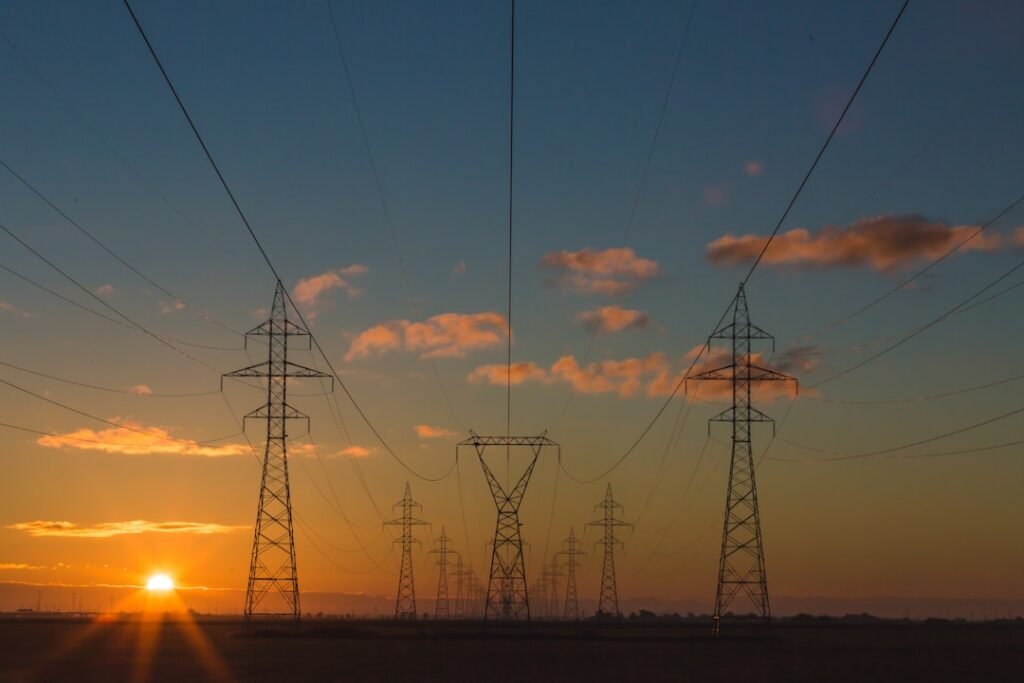
Singapore's electricity tariff hit record 31.91 cents/kWh in July 2026; Thailand enacted its first major tariff reform in 20+ years; and Vietnam pioneered battery storage pricing. Together, these signal a permanent shift in ASEAN's energy economics.
A hospital campus is not one building — it is a dozen, built across decades, running every hour of every day. That makes healthcare among the most energy-intensive real estate there is, and the place where a wing-by-wing energy map pays back fastest.
Fragment @names now function as both Telegram identities and TON DNS payment addresses. With over 100 million Telegram users managing crypto wallets, corporate IP teams can no longer treat @name exposure as a brand confusion issue — it is a financial infrastructure problem.
A warehouse is mostly roof. It is also the surface a conventional audit is least able to inspect — vast, hot, and dangerous to walk. As logistics goes temperature-controlled across ASEAN, that unmeasured roof becomes the building’s biggest energy variable.
Telegram's May 2026 takeover of TON and the GRAM token rebrand signal platform commitment — but also concentrate counterparty risk in ways that fundamentally change the @name acquisition calculus for IP teams.
Most retrofit budgets are spent on the building that complained loudest, not the one losing the most energy. A portfolio benchmark fixes that — ranking every asset on one comparable scale so capital flows to the losses that actually move the bill.
Fragment has cleared more than $2M in documented @Name trades. There is no published price index. This article builds one — character count premium, dictionary premium, brand-adjacency premium, and a USD overlay that holds TON price as a variable.
For decades, cheap subsidised energy made building inefficiency invisible — the subsidy absorbed the waste. That era is closing across ASEAN. As Malaysia rationalises fuel subsidies and restructures electricity tariffs, the building envelope becomes the cheapest, most durable cost lever an owner has.
A drone can photograph an entire building envelope in an afternoon — but thousands of thermal images are data, not insight. The real shift is what artificial intelligence does next: turning raw imagery into a ranked, comparable retrofit plan.
Traditional energy audits sample a fraction of the building and call it representative. Drone thermography surveys the entire envelope — including the roof that usually loses the most heat. Here is what changes when you stop sampling.
Singapore is watching. Malaysia’s data center build in Johor is not competing with Singapore — it is the operational extension of Singapore’s AI infrastructure strategy. The regional playbook positions Malaysia as the workforce and services pipeline for ASEAN’s AI build.