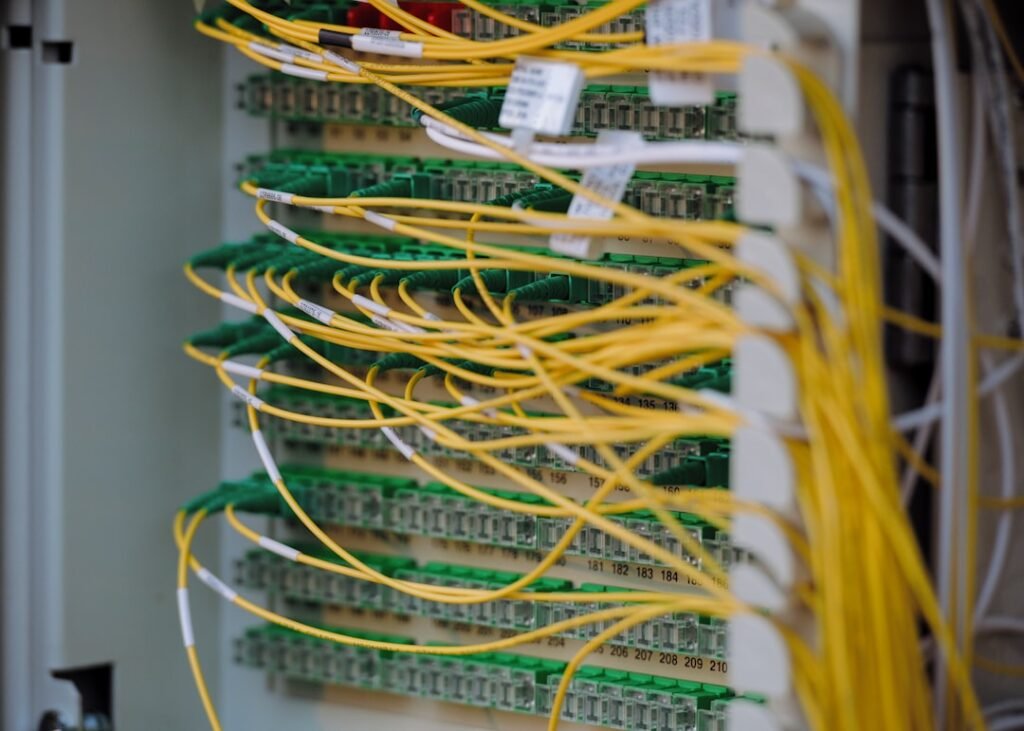
Malaysia’s Energy Commission (Suruhanjaya Tenaga), the national regulator for electricity and gas supply, called it a hot August. On September 8, 2026, the agency’s chief executive told an industry forum that data centres had consumed a record 9.3 percent of Peninsular Malaysia’s electricity at peak — and pointed to the weather. The numbers the regulator cited at that same forum describe a trend that doesn’t reverse when the temperature does.
Malaysia’s Official Explanation: A Hot August, Nothing More
Speaking at the Energy Regulatory Insights 2026 forum in Selangor on September 8, 2026, Energy Commission chief executive Siti Safinah Salleh attributed the spike to ambient temperature, telling attendees that “with hotter weather, the cooling system requires a lot more energy, that’s where the consumption increases,” according to Eco-Business, September 9, 2026. Peninsular Malaysia’s peak electricity demand had climbed to just over 21 gigawatts (GW), roughly 5 percent higher than a year earlier, with data centres drawing 0.8 GW of live capacity and accounting for 9.28 percent of total consumption in August — up from an average of about 7 percent across 2026 so far, according to the same report. Reduced hydroelectric output, caused by falling dam levels during the hot, dry spell, compounded the draw, according to TechNode Global, September 9, 2026.
The Numbers the Commission Itself Cited Point Elsewhere
A heatwave explains a spike. It doesn’t explain a trajectory. The Energy Commission’s own projection, presented at the same forum, has data centres consuming 31 percent of Peninsular Malaysia’s electricity demand by 2035 — more than triple August’s share, according to Eco-Business. Johor state alone already hosts over 70 percent of the country’s operational data-centre IT capacity, and a further roughly 3 GW sits in the pipeline under the Corporate Renewable Energy Supply Scheme (CRESS), the mechanism that lets large power users contract directly with renewable generators instead of the grid utility. None of that pipeline is weather.
Malaysia’s Economy Ministry separately estimates the country needs 9 GW of new gas-fired generation capacity by 2032 to keep pace, according to Economy Minister Akmal Nasir as reported by TechNode Global — but no new gas capacity is scheduled to come online in 2026 or 2027, with the ministry’s focus through the end of 2027 limited to optimising plants already running.
Why a Reserve Margin Doesn’t Survive Contact With 31 Percent
Peninsular Malaysia’s grid reserve margin — the buffer of spare generation capacity above peak demand — stands at roughly 25 percent, according to Eco-Business. That sounds comfortable until it is set against two other numbers the Commission is also tracking: about half of the country’s existing coal capacity is due to expire by 2035–2036, and the programme meant to replace it, the 2.5 GW Large Scale Solar 6 (LSS6) hybrid solar-and-battery scheme, isn’t due to deliver until 2029. Coal isn’t fully retired until 2044. A reserve margin measured against today’s load, not the load the Commission itself expects by 2035, is not a planning number. It’s a snapshot.
What Building and Data-Centre Portfolios Should Do Before the Next Heatwave
For building owners and portfolio managers inclined to read “a hot August” as reassurance, the more useful reading runs the other way: treat every August like this one as the new baseline, not the exception. Facilities weighing new data-centre leases, colocation commitments, or on-site generation in Peninsular Malaysia should model grid access against the Commission’s 2035 curve rather than this year’s reserve margin. CRESS contracts are the one lever available before the LSS6 pipeline lands in 2029, letting a large power user lock in renewable capacity directly with a generator rather than wait in a queue for the grid utility to add it. That queue is already growing: Firmus and OpenAI are developing two AI data-centre sites in Malaysia, according to TechNode Global, alongside the roughly 3 GW of CRESS-linked capacity already in the pipeline. Portfolios that wait for a capacity crunch to show up in their own bills will be negotiating grid connections against demand that has already been booked.
Key takeaways
- Malaysia’s Energy Commission attributed a record 9.3 percent data-centre share of Peninsular Malaysia’s peak August electricity demand to hot weather, not structural growth, according to Eco-Business, September 9, 2026.
- The Commission’s own forum presentation projects that share reaching 31 percent by 2035 — more than triple today’s level.
- Peninsular Malaysia’s roughly 25 percent reserve margin is measured against current demand, not the load growth the Commission itself forecasts, while its LSS6 renewable-and-battery capacity doesn’t arrive until 2029.
- No new gas-fired generation is scheduled before 2027, even as Malaysia’s Economy Ministry estimates 9 GW of additional capacity is needed by 2032.
- Data-centre and building portfolios evaluating grid connections in Peninsular Malaysia should treat CRESS renewable contracts as the near-term hedge rather than wait for a visible capacity shortage to act.